

They have enormous feelings, a fierce need for independence, and approximately zero interest in your plan for today.
Between ages three and five your child is experiencing one of the most dramatic neurological shifts of their entire life.
Their prefrontal cortex, the part of the brain responsible for logic, impulse control, and emotional regulation, is beginning to develop, but it is nowhere near finished yet.
At the same time, their sense of self is emerging rapidly, which is why everything suddenly requires negotiation and why the word no has become your child's native language.
This is not defiance for its own sake.
It is the brain doing exactly what it is supposed to do at this age, building autonomy, testing limits, and figuring out where they end and the rest of the world begins.
Understanding this does not make 5pm easier.
But it changes what you do next.
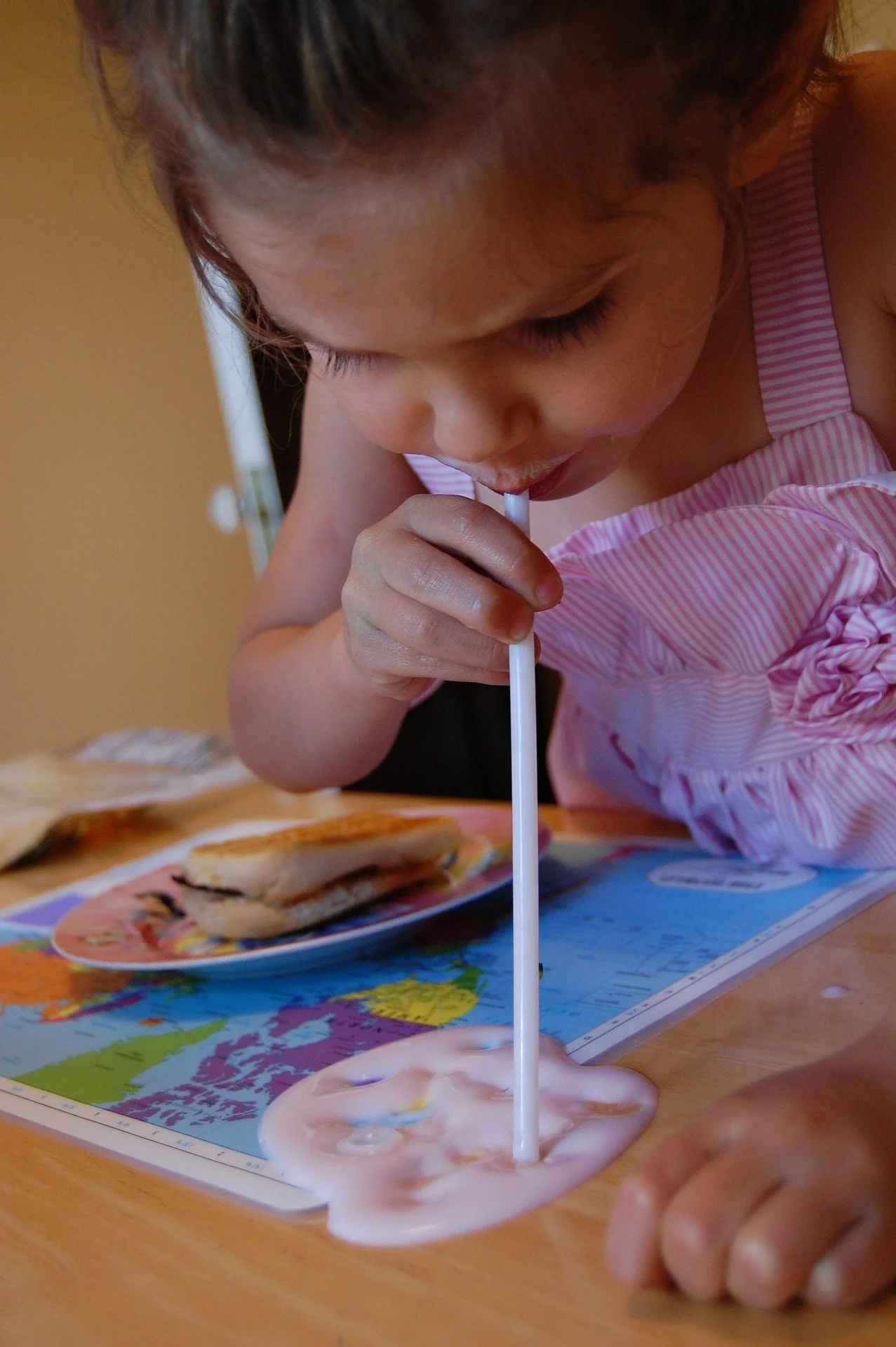
The preschool years are one of the most misunderstood seasons of parenting. Your child is capable enough to understand what you are saying but not yet capable of consistently doing what you ask, and that gap is absolutely maddening to live inside.
You are also navigating the transition to school, new social dynamics, big questions about fairness and friendship, and a child who can articulate their feelings just well enough to make every conflict feel personal.
You are not being manipulated.
You are being needed in a very specific and exhausting way.
And you are doing better than you think.
BEGIN HERE, FOR FREE
The 5-Minute Reset
Your free audio guide to the most chaotic 20 minutes of your parenting day.
The 5-Minute Reset is a free audio guide from Dr. Erica that helps you regulate your own nervous system before you try to regulate theirs. Because co-regulation is always the first step, no matter how old your child is.
Free. Five minutes. No login required.
Why your preschooler says no to everything
The real reason preschoolers have tantrums at pickup
Why your child is an angel at school and a tornado at home
What independence actually looks like at age four
How to stop power struggles before they start
Why preschoolers lie and what it means about their development
The one thing that works better than time-out
Why your preschooler cannot share and how to actually help
Separation anxiety at school drop-off is normal and here is why
How to handle a preschooler who hits
Why routines work better than rules at this age
What your child needs when they say I hate you
How to answer the hard questions preschoolers ask
The science behind why play is the most important thing your child does all day
Why your preschooler is scared of things that did not bother them before
Sibling conflict when there is a preschooler involved
How to manage screen time without it becoming a battle
What your child is actually learning when they play pretend
Bedtime resistance is not manipulation
When to worry and when to wait with preschool development
No articles found for that search. Try a different word.
Four minutes. One thing you can try tonight.
Watch all Playful Patter videos on YouTube Link: youtube.com/@becomingplayful
These are organizations, books, and communities that Dr. Erica trusts and recommends for parents of preschoolers.
Zero to Three
Science-backed resources on preschool development, emotional regulation, and school readiness from the leading early childhood nonprofit.
zerotothree.orgNAEYC
Research and resources on best practices in early childhood education and what to look for in preschool programs.
naeyc.orgConscious Discipline
A brain-science based approach to discipline that focuses on connection before correction. Particularly effective for the three to five age group.
consciousdiscipline.comBig Life Journal
Age-appropriate activities and conversation starters designed to build resilience, emotional vocabulary, and a growth mindset in young children.
biglifejournal.comHand in Hand Parenting
Connection-based tools for power struggles, hitting, and the emotional intensity of the preschool years.
handinhandparenting.orgDaniel Tiger's Neighborhood (PBS Kids)
The research-backed children's show built on Fred Rogers' principles of emotional literacy. Genuinely useful for teaching preschoolers to name and manage feelings.
pbs.org/daniel-tigerSesame Street in Communities
Free resources for parents and caregivers of young children covering social-emotional development, stress, and resilience.
sesamestreetincommunities.orgHealthyChildren.org
Pediatrician-approved guidance on preschool development, behavior, and school readiness from the American Academy of Pediatrics.
healthychildren.orgThe Whole-Brain Child
A research-based book that explains child brain development and gives parents practical strategies for the most common preschool challenges. By Dr. Daniel Siegel.
Available at most librariesNo-Drama Discipline
A compassionate, science-backed approach to discipline that focuses on connection and learning rather than punishment. By Dr. Daniel Siegel and Dr. Tina Payne Bryson.
Available at most librariesCHADD
If you are wondering whether your preschooler's behavior might be connected to attention or executive function differences, this is a reliable and compassionate resource.
chadd.orgChild Mind Institute
Expert articles and guides on preschool anxiety, challenging behavior, developmental delays, and when to seek professional support.
childmind.orgPractical tools for parents of preschoolers
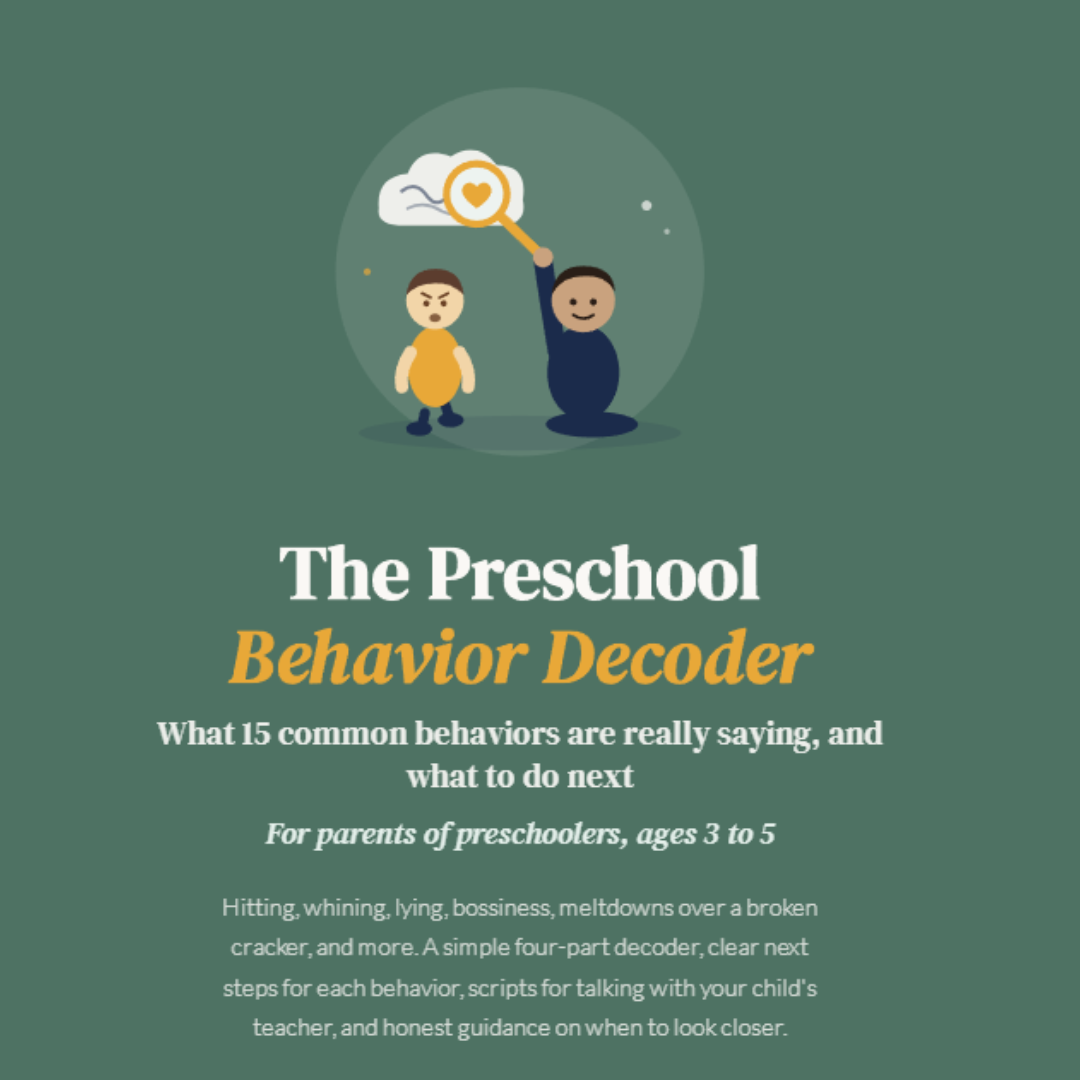
$27 · For parents of preschoolers, ages 3 to 5 · 33-page PDF, instant download
What 15 common behaviors are really saying, and what to do next.
Hitting, whining, lying, bossiness, and meltdowns over a broken cracker all make more sense once you know what's underneath. This decoder helps you read the message behind the behavior and respond with confidence.
What's inside
A simple four-part decoder you can use for any behavior
Clear next steps and scripts for 15 common behaviors
Real-life examples from families like yours
Scripts for talking with your child's teacher
Honest guidance on when to look closer, plus a behavior log
This is for you if
You find yourself asking, "Why does my child keep doing this?"
You want to respond to the reason, not just the behavior
You're wondering whether something is typical or worth checking on
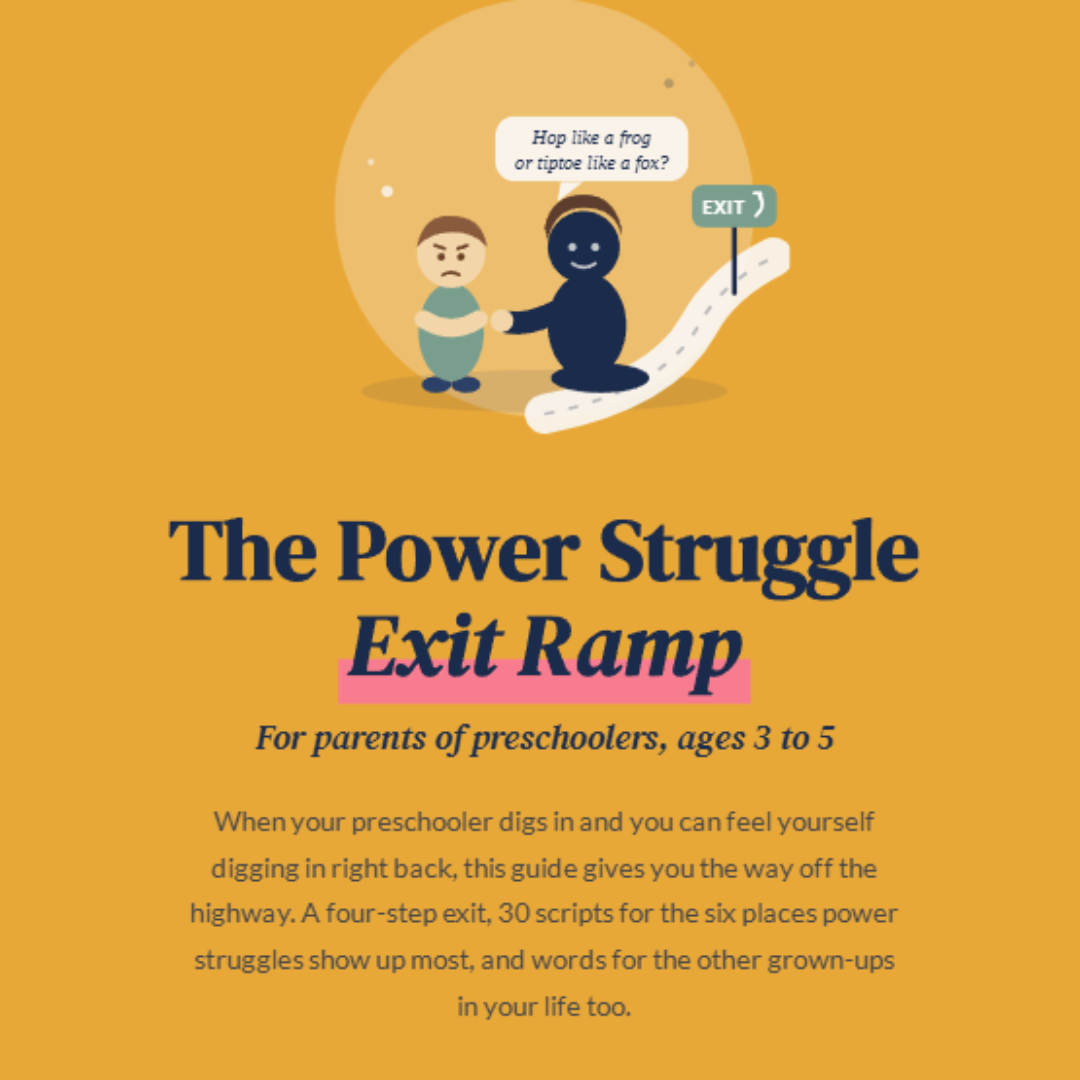
$10 · For parents of preschoolers, ages 3 to 5 · 28-page PDF, instant download
When your preschooler digs in, you don't have to dig in right back.
Power struggles can turn shoes, snacks, and bedtime into a daily struggle. This guide gives you a simple four-step way off the highway, so you can hold your limits and keep your connection at the same time.
What's inside
A four-step exit you can use in the heat of the moment
30 scripts for the six places power struggles show up most
Why preschoolers push back, and what they're really asking for
Words for the other grown-ups in your child's life, too
A quick reference card
This is for you if
Everyday moments keep turning into a tug-of-war
You're tired of either giving in or escalating
You want your child to cooperate without fear or bribes
$10 · For parents of preschoolers, ages 3 to 5 · 24-page PDF, instant download
A calm, predictable wind-down your child can follow, and you can look forward to.
If bedtime drags on with stalling, fears, and curtain calls, this guide gives you a four-step, thirty-minute sequence built on the best sleep research available. It's simple enough to use on your most tired night.
What's inside
A four-step, thirty-minute wind-down sequence
Scripts for stalling, fears, and "just one more"
A printable bedtime chart your child can check off
Honest talk about screens, AI story apps, and the melatonin aisle
Ideas for different families and schedules
This is for you if
Bedtime takes an hour (or more) most nights
Your child keeps coming out of their room
You want evenings that feel calmer for everyone, including you